WRONG PLANCHET ERRORS
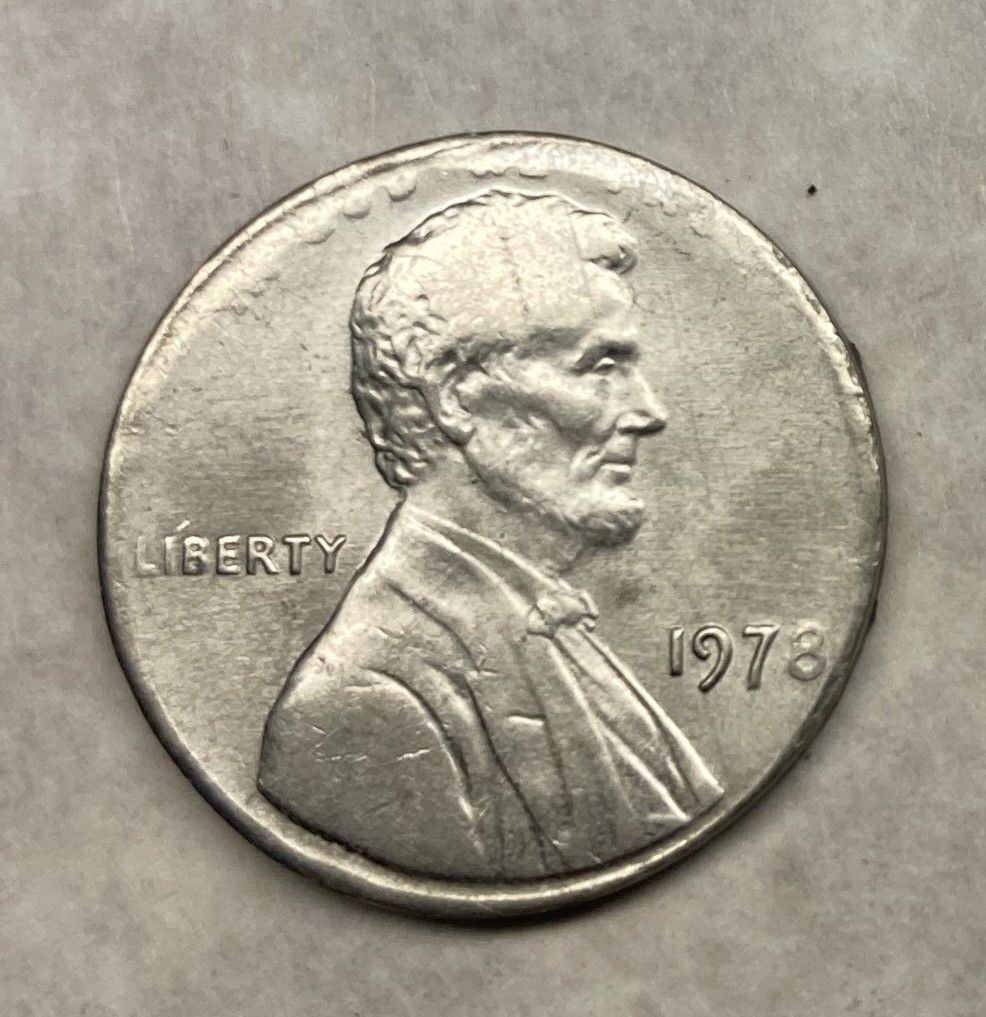
🔍 What Is a Wrong Planchet Error?
A wrong planchet error happens when:
- A planchet intended for one coin series
- Accidentally enters the striking chamber of another series
- And is struck with the dies of the “wrong” coin
The result is a coin whose design does not match its metal, weight, or size.These errors can involve:
- Wrong U.S. denomination
- Wrong metal composition
- Foreign planchets
- Experimental or test planchets
- Transitional compositions
Each category has its own diagnostics and rarity.
🟦 Key Diagnostic Features of a Genuine Wrong Planchet Error
1. Incorrect Weight
The weight will not match the intended denomination. This is the most important diagnostic.
2. Incorrect Diameter or Thickness
The coin may be:
- Too small
- Too large
- Too thin
- Too thick
3. Incorrect Metal Composition
The color or magnetism may be wrong for the design.Examples:
- A silver‑colored cent
- A magnetic dime
- A bronze‑colored nickel
4. Full, Natural Strike
The design will be complete as far as the planchet allows. If the planchet is too small, the design will be cut off.
5. No Tool Marks
A genuine wrong planchet shows natural metal flow — never grinding or cutting.
🟩 Types of Wrong Planchet Errors
1. Wrong Denomination Planchet
A coin is struck on a planchet intended for another U.S. denomination.Examples:
- Cent struck on dime planchet
- Nickel struck on cent planchet
- Quarter struck on nickel planchet
These are among the most common and collectible.
2. Wrong Metal Composition
The planchet is the correct size but the wrong alloy.Examples:
- 1943 bronze cent
- 1944 steel cent
- Transitional 1965 silver‑planchet dimes and quarters
These can be extremely valuable.
3. Foreign Planchet Errors
A U.S. coin is struck on a planchet intended for a foreign country.This happens when the U.S. Mint produces foreign coinage — something it has done for over a century.Examples:
- Lincoln cent struck on a 2.5g foreign Cu‑Ni planchet
- Jefferson nickel struck on a 3.0g foreign planchet
- Dimes struck on foreign aluminum planchets
These are highly collectible and often rare.
4. Experimental or Test Planchets
Used during testing or calibration of minting equipment.Examples:
- Nickel‑silver test planchets
- Aluminum test planchets
- Stainless steel planchets
These are scarce and often mysterious.
🟧 Wrong Planchet vs. Off‑Metal vs. Wrong Stock
Collectors often mix these terms, but they are distinct.
| Feature | Wrong Planchet | Off‑Metal | Wrong Stock |
|---|---|---|---|
| Wrong size | Yes | Sometimes | No |
| Wrong weight | Yes | Sometimes | No |
| Wrong metal | Sometimes | Yes | Yes |
| Foreign planchets | Yes | Sometimes | No |
| Value | High | High | Moderate |
A wrong planchet error is the broadest category and includes the others.
🟨 How Wrong Planchet Errors Happen
These errors occur due to:
1. Planchet Hopper Contamination
Planchets from one denomination fall into the hopper of another.
2. Foreign Coin Production Overlap
The U.S. Mint has produced coins for dozens of countries. Foreign planchets sometimes remain in machinery.
3. Transitional Years
When the mint changes metal compositions, leftover planchets can be struck with the new year’s dies.
4. Test Strikes
Experimental planchets sometimes enter normal production lines.
📈 How Much Are Wrong Planchet Errors Worth?
Value depends on:
- Denomination
- Metal type
- Rarity of the planchet
- Weight and diagnostics
- Eye appeal
- Whether the date is visible
General Price Ranges
| Type | Typical Value |
|---|---|
| Wrong denomination | $75–$300+ |
| Wrong metal | $150–$1,000+ |
| Foreign planchet | $100–$600+ |
| Transitional off‑metal | $1,000–$250,000+ |
| Experimental planchet | Highly variable |
Transitional and experimental pieces can be extremely valuable.
🧭 Why Collectors Love Wrong Planchet Errors
Wrong planchet errors offer:
- Strong diagnostics
- Clear mechanical explanation
- High rarity
- Excellent educational value
- A wide range of metals, weights, and sizes
- Great conversation pieces
They are among the most desirable mint errors because they combine science, history, and rarity.
🏁 Final Thoughts
Wrong planchet errors are some of the most intriguing mistakes the mint can produce. Whether struck on the wrong U.S. denomination, a foreign planchet, or an experimental alloy, these coins reveal the hidden complexity of minting operations. Understanding the diagnostics — especially weight, diameter, and metal composition — will help you confidently identify genuine wrong planchet errors and appreciate their place in the world of mint mistakes.