DOUBLE STRIKE ERRORS
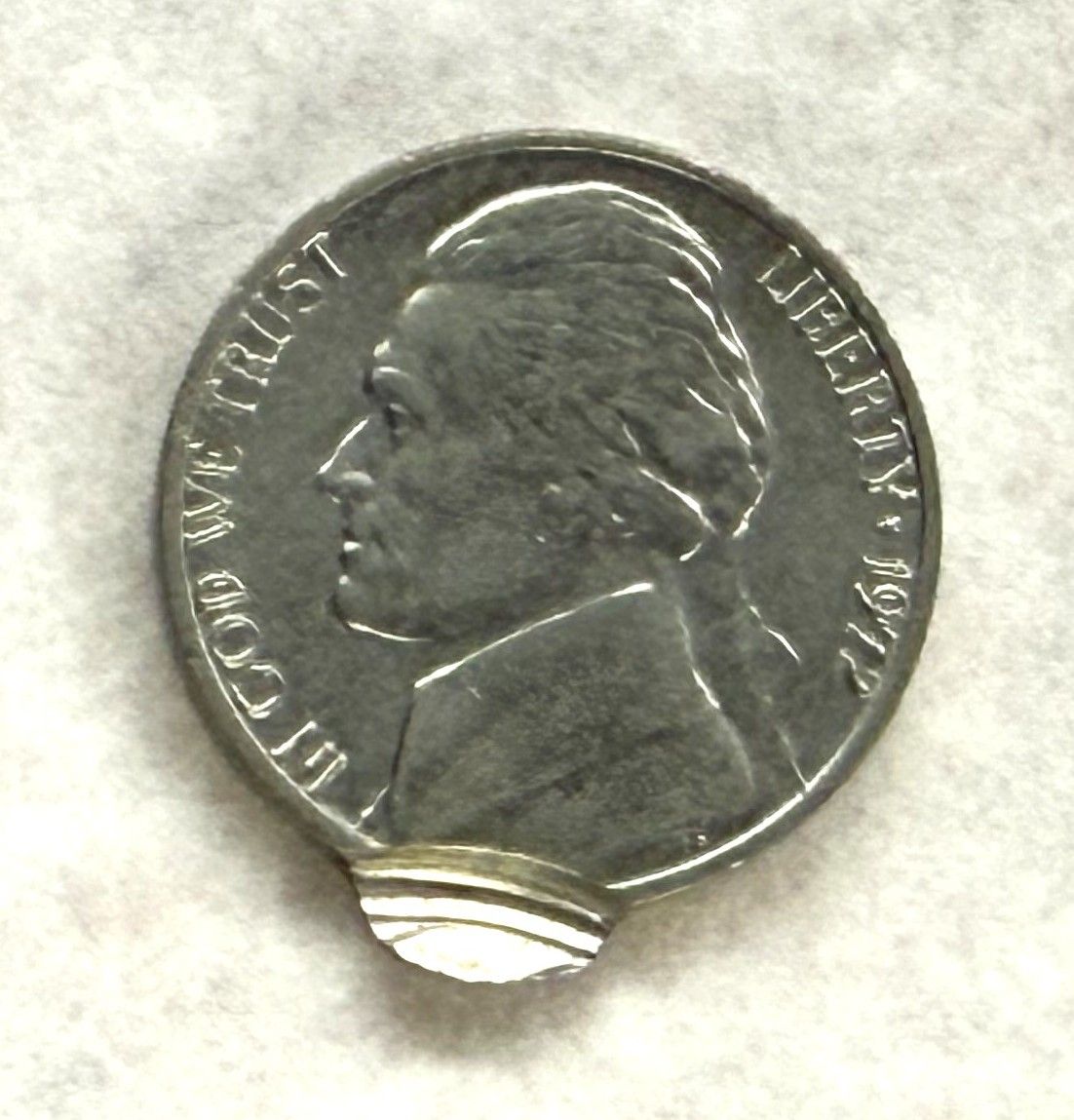
Understanding Double Strike Errors
Double strike errors occur when a coin is struck more than once by the dies. Instead of receiving a single, clean impression, the planchet is hit twice (or more), creating a dramatic and highly collectible mint error. These pieces reveal exactly what happens when the minting process misfires — and they offer some of the most visually striking mistakes in numismatics.
🔍 What Is a Double Strike?
A double strike happens when a coin is struck normally, but instead of being ejected from the striking chamber, it remains in place (or partially in place) and receives a second blow from the dies. Depending on how the coin moves between strikes, the results can vary widely.
🟦 Types of Double Strikes
1. In‑Collar Double Strike
The coin remains fully inside the collar for both strikes.
Characteristics:
- Both strikes are perfectly round
- Doubling is clean and aligned
- Rim remains intact
- Design elements appear shifted, rotated, or overlapped
These are the most common type of double strike.
2. Out‑of‑Collar Double Strike
The coin is struck once inside the collar, then shifts outside the collar before the second strike.
Characteristics:
- Second strike is off‑center
- Coin may be misshapen or oval
- Blank crescent may appear
- Dramatic visual effect
These are more desirable because they show two distinct strikes.
3. Flip‑Over Double Strike
After the first strike, the coin flips over before receiving the second strike.
Characteristics:
- One side shows a normal strike
- The other side shows a mirror‑image incuse impression of the opposite design
- Very dramatic and highly collectible
These are often mistaken for overstrikes, but they are simply double strikes with a flip.
🧠 How to Identify a Genuine Double Strike
1. Same Design Appears Twice
Both impressions must match the same coin type. If the underlying design is from a different coin, that’s an overstrike, not a double strike.
2. Metal Flow Matches Both Strikes
The metal will show natural expansion patterns from each blow.
3. No Tool Marks
Fake double strikes often show:
- filing
- grinding
- cut edges
- unnatural flattening
A real double strike shows smooth, natural metal flow.
4. Proper Weight and Alloy
A genuine double strike is still struck on the correct planchet.
🟧 Double Strike vs. Off‑Center Strike
These two errors are often confused, but they are very different.
| Feature | Double Strike | Off‑Center Strike |
|---|---|---|
| Number of strikes | 2+ | 1 |
| Same design twice | Yes | No |
| Blank crescent | Only if second strike is out‑of‑collar | Always present |
| Metal flow | Two distinct flows | One flow |
| Value | Often higher | Depends on % off‑center |
📈 How Much Are Double Strikes Worth?
Value depends on:
- Type of double strike (in‑collar, out‑of‑collar, flip‑over)
- Degree of separation between strikes
- Centeredness
- Denomination
- Eye appeal
General Price Ranges
| Denomination | In‑Collar | Out‑of‑Collar | Flip‑Over |
|---|---|---|---|
| Cent | $100–$200 | $60–$150 | $150–$300+ |
| Nickel | $200–$400 | $75–$200 | $200–$400+ |
| Dime | $300–$500 | $90–$250 | $250–$500+ |
| Quarter | $400–$600 | $120–$350 | $350–$700+ |
| Half Dollar | $500–$700 | $150–$400 | $400–$900+ |
Flip‑over double strikes are the most dramatic and often the most valuable.
🧭 Why Collectors Love Double Strikes
Double strikes offer:
- Clear evidence of minting malfunction
- Dramatic visual appeal
- A wide range of varieties
- Strong educational value
- High collector demand
They are among the most popular mint errors because each one is unique.
🏁 Final Thoughts
Double strike errors capture the exact moment the minting process goes wrong — sometimes subtly, sometimes spectacularly. Whether in‑collar, out‑of‑collar, or flip‑over, these coins offer a fascinating look into the mechanics of coin production. Understanding the diagnostics — especially the presence of two impressions of the same design, natural metal flow, and proper planchet characteristics — will help you confidently identify genuine double strikes and appreciate their place in the world of mint errors.