OFF CENTER ERRORS
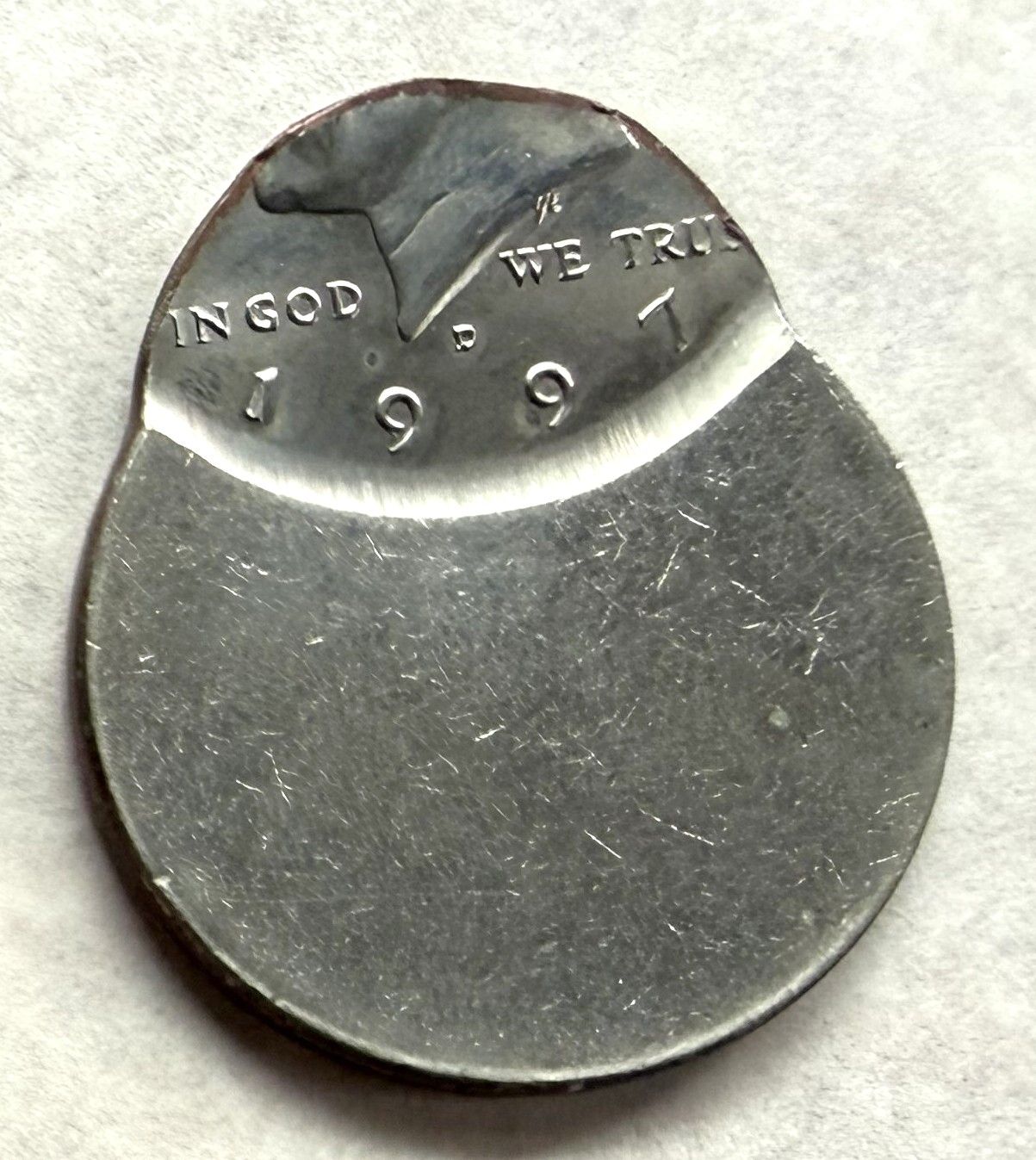
Understanding Off‑Center Strike Error Coins
Off‑center strikes are one of the most recognizable and visually dramatic mint errors. They occur when a coin is struck outside the proper alignment between the dies and the planchet. Because the design is shifted away from center, part of the coin’s design is missing while the opposite side shows extra blank planchet surface. Collectors prize off‑center strikes for their bold appearance, clear minting mistake, and wide range of severity.
🔍 What Is an Off‑Center Strike?
An off‑center strike happens when the planchet fails to seat correctly inside the collar during striking. Instead of being centered between the obverse and reverse dies, the planchet sits partially outside the striking chamber. As a result:
- Part of the design is missing
- Part of the blank planchet is visible
- The rim and denticles may be incomplete
- The strike may appear stretched or distorted
The degree of misalignment determines how dramatic the error appears.
📏 How Off‑Center Percentage Is Measured
Off‑center errors are described by percentage, usually from 5% to 95%.
- 5%–15%: Minor but noticeable
- 20%–40%: Ideal collector range
- 50%–70%: Dramatic, highly desirable
- 80%–95%: Extremely rare, often missing one side entirely
The percentage refers to how far the design has shifted from its proper center.
🧠 Key Diagnostic Features of Genuine Off‑Center Strikes
Authentic off‑center errors show several consistent characteristics:
1. Visible Blank Crescent
A smooth, unstruck arc of planchet metal appears where the dies did not hit.
2. Full, Natural Strike on the Opposite Side
The struck portion should show normal pressure and detail.
3. Proper Metal Flow
The metal flows outward from the struck area toward the blank crescent.
4. No Tool Marks
Fake off‑center coins often show:
- Grinding
- Filing
- Cut edges
- Abrasive marks
A genuine off‑center strike has a natural, rounded edge where the collar failed to contain the planchet.
🪙 Off‑Center Strikes vs. Misaligned Dies
Collectors often confuse these two errors, but they are very different.
| Feature | Off‑Center Strike | Misaligned Die |
|---|---|---|
| Design shift | Entire design shifted | Only one side shifted |
| Blank crescent | Yes | No |
| Collar involvement | Planchet outside collar | Collar still engaged |
| Value | Higher | Lower |
If you see a blank crescent, it’s an off‑center strike — not a misaligned die.
📈 How Much Are Off‑Center Strikes Worth?
Value depends on:
- Percentage of off‑center
- Whether the date is visible
- Denomination
- Eye appeal
- Centeredness of the remaining design
General Price Ranges
| Denomination | Minor (5–15%) | Medium (20–40%) | Major (50%+) |
|---|---|---|---|
| Cent | $10–$25 | $25–$75 | $75–$200+ |
| Nickel | $15–$35 | $35–$90 | $90–$250+ |
| Dime | $20–$50 | $50–$120 | $120–$300+ |
| Quarter | $30–$75 | $75–$200 | $200–$500+ |
| Half Dollar | $40–$100 | $100–$300 | $300–$800+ |
⭐ Date visibility is critical
A dramatic off‑center strike with the date showing is worth significantly more than one where the date is missing.
🧭 Why Collectors Love Off‑Center Strikes
Off‑center errors are:
- Easy to understand
- Visually striking
- Available across all denominations
- Highly collectible at all price levels
- Great teaching tools for how the minting process works
They are one of the most popular error types for both beginners and advanced collectors.
🏁 Final Thoughts
Off‑center strikes offer a perfect blend of visual appeal, minting history, and collectibility. Whether you prefer subtle shifts or dramatic 70% off‑center pieces, these errors showcase the fascinating moments when the minting process goes wrong.Understanding the diagnostics — especially the blank crescent, metal flow, and natural edges — will help you confidently identify genuine off‑center strikes and appreciate their place in the world of mint errors.