BROADSTRIKE ERRORS
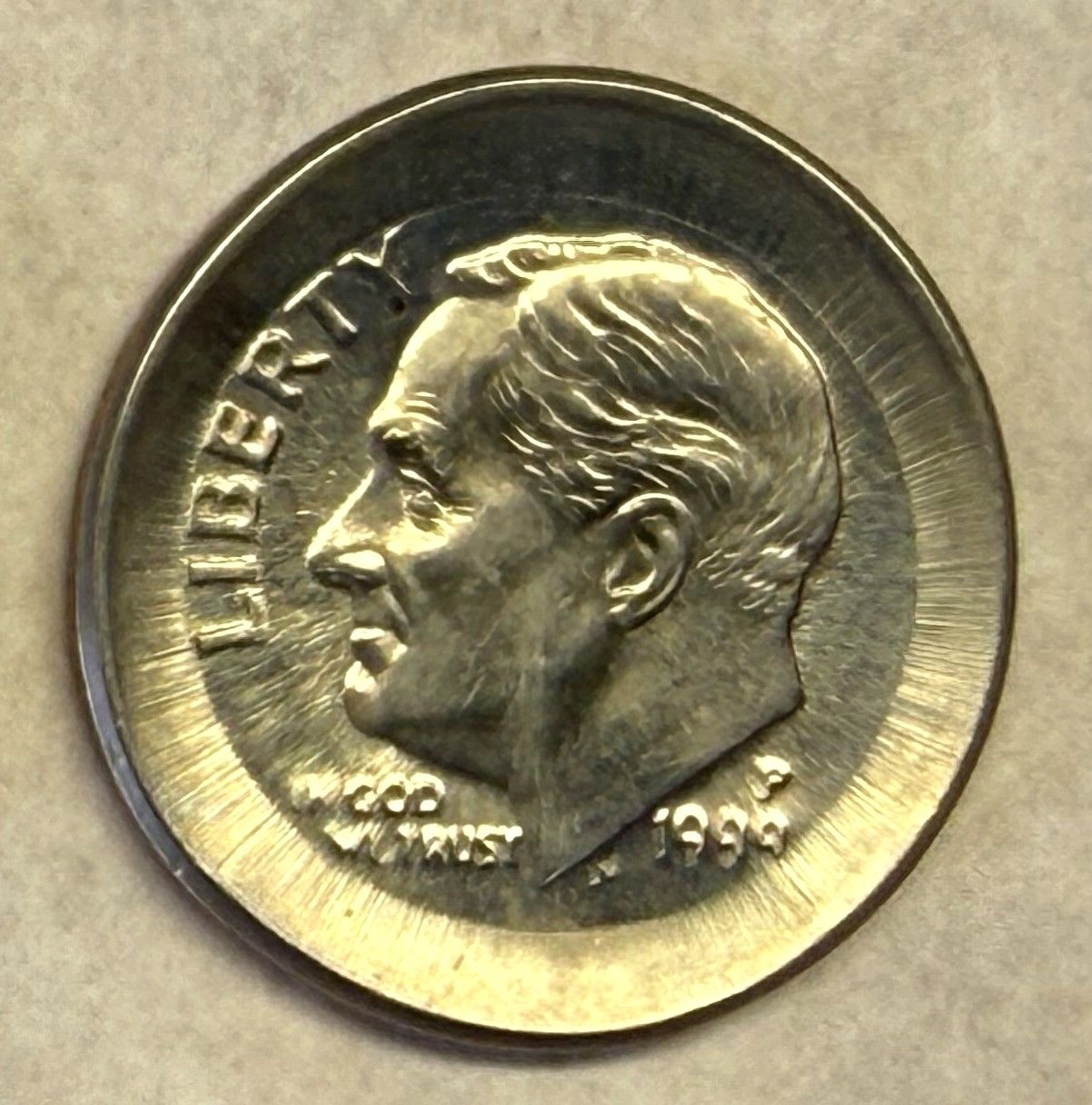
Understanding Broadstrike Error Coins
Broadstrikes are a classic and visually appealing mint error caused by a failure of the collar — the metal ring that normally shapes the coin’s rim and keeps the planchet contained during striking. When the collar fails to engage, the planchet spreads outward under striking pressure, producing a coin that is wider, flatter, and rimless compared to a normal piece.Broadstrikes are popular among collectors because they clearly show how important the collar is in the minting process.
🔍 What Is a Broadstrike?
A broadstrike occurs when a coin is struck without the collar in place. The collar normally:
- Forms the raised rim
- Controls the coin’s diameter
- Prevents metal from expanding outward
When the collar is missing, jammed, or misaligned, the planchet expands freely, creating a coin that is:
- Wider than normal
- Flatter than normal
- Missing its rim
- Often slightly distorted
The design remains centered, which is one of the key diagnostics.
🟦 How Broadstrikes Happen
Broadstrikes occur due to:
1. Collar Failure
The collar may not rise into position before the strike.
2. Collar Misalignment
The collar may be partially engaged, allowing some metal to escape.
3. Jammed or Broken Collar
A mechanical failure prevents the collar from containing the planchet.In all cases, the planchet expands outward because nothing is holding it in place.
🟩 Key Diagnostic Features of Genuine Broadstrikes
1. Centered Design
Unlike off‑center strikes, broadstrikes keep the design centered on the planchet.
2. No Raised Rim
The rim is missing or extremely weak because the collar did not form it.
3. Expanded Diameter
The coin is noticeably wider than normal.
4. Natural Metal Flow
Metal spreads outward smoothly, without tool marks or grinding.
5. Full, Even Strike
The design is complete — just stretched outward.These features help distinguish broadstrikes from other errors.
🟧 Broadstrike vs. Off‑Center Strike
Collectors often confuse these two errors. Here’s the difference:
| Feature | Broadstrike | Off‑Center Strike |
|---|---|---|
| Collar | Missing or failed | Planchet outside collar |
| Design position | Centered | Shifted |
| Blank crescent | No | Yes |
| Diameter | Expanded | Normal or distorted |
| Rim | Missing | Partial or missing |
| Value | Moderate | Depends on % off‑center |
If the design is centered, it’s almost always a broadstrike.
🟨 Broadstrike vs. Struck‑Through Rim Finning
Sometimes metal fins appear on the rim from high pressure. These are not broadstrikes.
Finning shows:
- Thin, sharp metal edges
- Normal diameter
- Normal rim
Broadstrikes show:
- No rim
- Expanded diameter
- Smooth outward flow
📈 How Much Are Broadstrikes Worth?
Value depends on:
- Denomination
- Severity of expansion
- Eye appeal
- Centeredness
- Condition
General Price Ranges
| Denomination | Typical Value |
|---|---|
| Cent | $10–$30 |
| Nickel | $15–$40 |
| Dime | $20–$50 |
| Quarter | $25–$75 |
| Half Dollar | $40–$120 |
| Dollar Coins | $50–$150 |
Broadstrikes with dramatic expansion or exceptional eye appeal can bring higher prices.
🧭 Why Collectors Enjoy Broadstrikes
Broadstrikes are:
- Easy to identify
- Affordable for beginners
- Visually interesting
- A great teaching tool
- Available across all denominations
They clearly demonstrate how the collar shapes a coin — and what happens when it fails.
🏁 Final Thoughts
Broadstrike errors offer a fascinating look into the minting process. When the collar fails, the planchet expands outward, producing a wide, rimless coin with a centered design. Understanding the diagnostics — especially the expanded diameter, missing rim, and centered strike — will help you confidently identify genuine broadstrikes and appreciate their place in the world of mint errors.