CLIPPED PLANCHET ERRORS
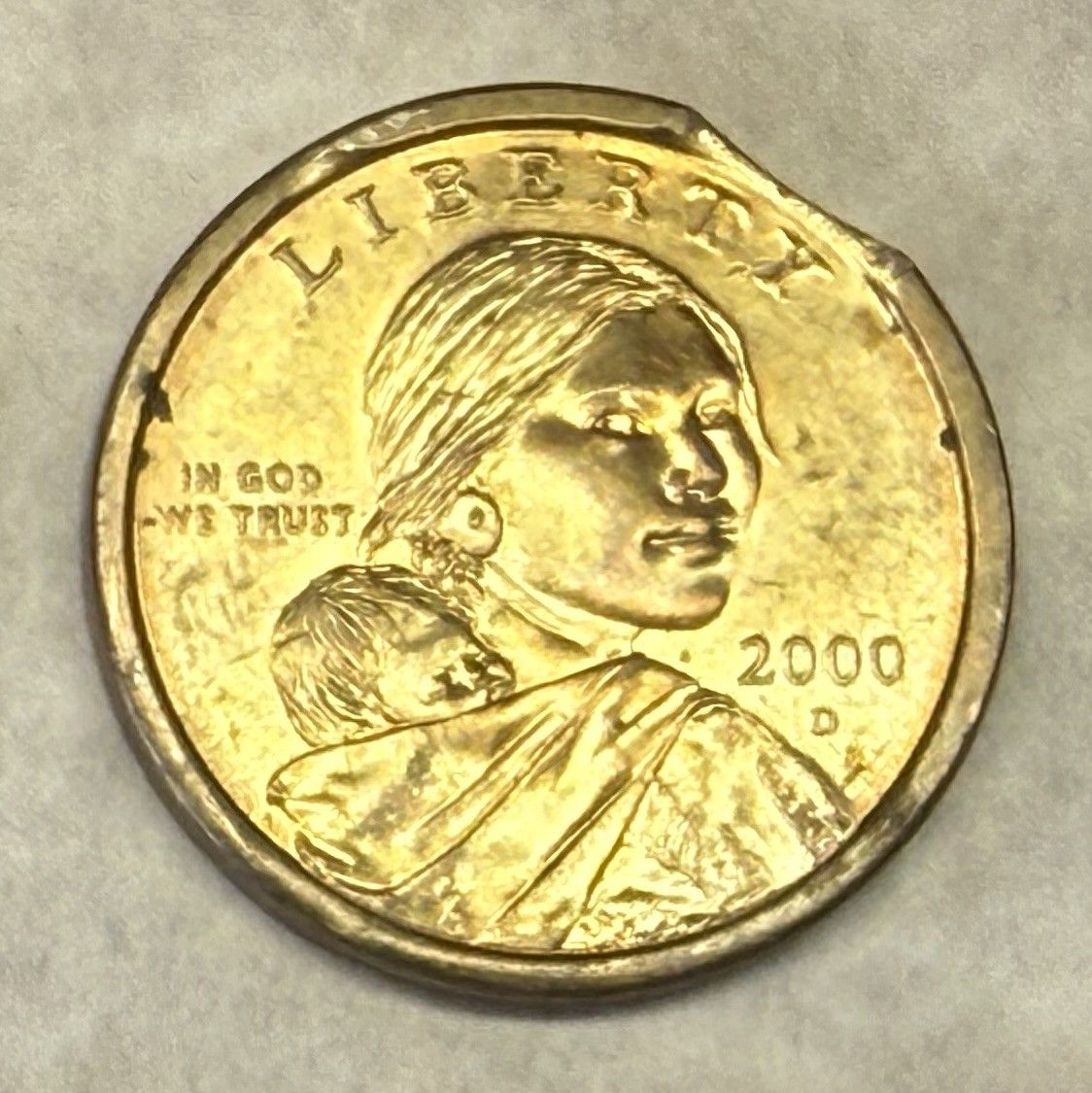
How to Identify a Clipped Planchet Error Coin.
Clipped planchet errors are among the most visually striking and collectible mint errors. They occur before the coin is struck, during the blanking stage of production, when the metal strip is punched incorrectly. Because the error happens early in the process, the resulting coin often shows distinctive features that help confirm authenticity.Below is a clear guide to understanding, identifying, and evaluating clipped planchet errors.
🔍 What Is a Clipped Planchet?
A clipped planchet is a coin that was struck on a blank (planchet) that is missing a portion of metal. This happens when the blanking punch overlaps the edge of the metal strip or overlaps a previously punched hole.There are three main types:
1. Straight Clip
A straight, flat missing section caused by the blanking punch cutting too close to the strip’s edge.
2. Curved Clip
A rounded missing section caused by the punch overlapping a previously punched hole.
3. Ragged Clip
An irregular, jagged missing area caused by a damaged or misfed metal strip.Each type has its own visual characteristics, but all share one important diagnostic feature: the Blakesley Effect.
🧠 The Blakesley Effect: The #1 Authentication Tool
The Blakesley Effect is a weak or faded rim directly opposite the clip. This happens because the missing metal prevents normal pressure during striking.
Why It Matters
Fake clips often look convincing, but they rarely show a true Blakesley Effect. Authentic clips almost always do.
What to Look For
- Weak rim opposite the clip
- Flattened or incomplete denticles
- Slightly weaker strike in that area
If the coin has a clip and a Blakesley Effect, it’s almost certainly genuine.
🪙 Other Signs of a Genuine Clipped Planchet
1. Metal Flow Toward the Clip
The metal expands into the empty space during striking.
2. Distorted Design Near the Clip
Letters, numbers, or devices may stretch or fade.
3. Natural, Smooth Clip Surface
Real clips have a smooth, rounded texture — not sharp or freshly cut.
4. No Tool Marks
Artificial clips often show:
- filing marks
- grinding lines
- unnatural edges
📈 How Much Are Clipped Planchet Errors Worth?
Value depends on:
- Size of the clip (larger = more dramatic)
- Type of clip (curved clips are most popular)
- Denomination (dimes, nickels, quarters, halves, dollars)
- Date and mintmark
- Overall eye appeal
Typical ranges:
| Denomination | Small Clip | Medium Clip | Large Clip |
|---|---|---|---|
| Cent | $5–$20 | $20–$40 | $40–$100+ |
| Nickel | $10–$25 | $25–$60 | $60–$150+ |
| Dime | $10–$30 | $30–$75 | $75–$200+ |
| Quarter | $20–$50 | $50–$120 | $120–$300+ |
| Half Dollar | $30–$75 | $75–$200 | $200–$500+ |
Dramatic clips with multiple errors (double clips, triple clips, curved + straight) can bring premium prices.
🧭 Why Collectors Love Clipped Planchets
Clipped planchets are:
- visually dramatic
- easy to understand
- affordable for beginners
- highly collectible for advanced collectors
- available across all denominations
They also make excellent educational examples for teaching how minting errors occur.
🏁 Final Thoughts
Clipped planchet errors are a cornerstone of mint error collecting. By learning the key diagnostics — especially the Blakesley Effect — you can confidently identify genuine clips and avoid altered coins.If you’re building a collection of mint errors, clipped planchets offer some of the most interesting and visually appealing pieces available.