CUDS AND DIE BREAK ERRORS
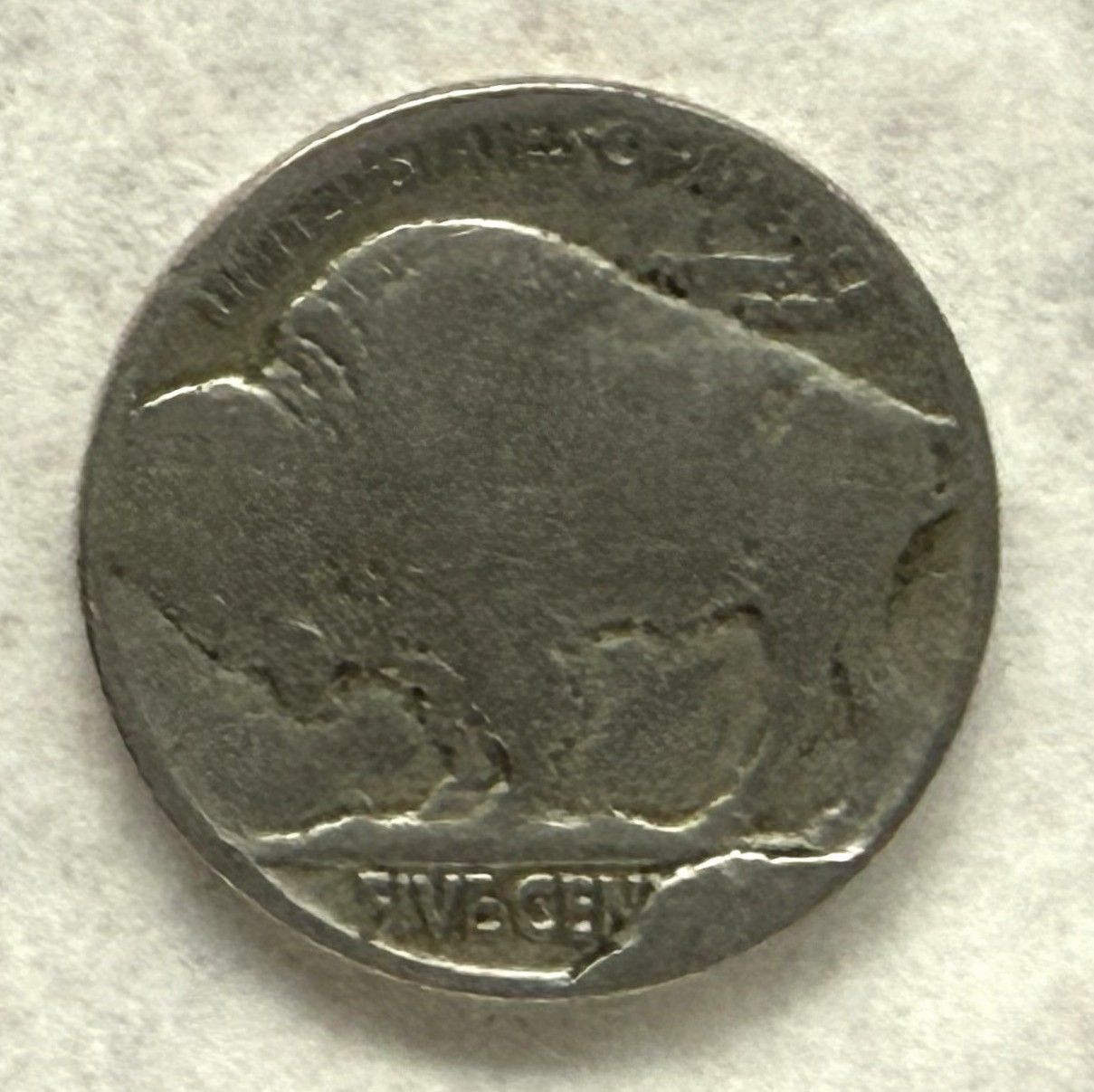
Understanding Cuds
(Die Break Errors)
A cud is one of the most dramatic and easily identifiable mint errors. It occurs when a portion of the die breaks away along the rim, leaving a void. When the coin is struck, metal flows into this void, creating a raised, blob‑like area on the coin’s rim and extending into the design.Cuds are highly collectible because they clearly show a catastrophic die failure — a moment when the minting equipment literally breaks during production.
🔍 What Is a Cud?
A cud is created when:
- A piece of the die breaks off at the rim
- The broken area leaves a missing section in the die face
- During striking, metal fills this void
- The result is a raised, featureless blob on the coin’s rim
Because the die is damaged, every coin struck afterward will show the same cud until the die is replaced.
🟦 Key Diagnostic Features of a Genuine Cud
1. Must Touch the Rim
A true cud always involves the rim. If the raised blob does not touch the rim, it is not a cud — it is a die break or interior die chip.
2. Raised, Rounded Metal
The cud area is smooth and featureless because the die cavity is missing.
3. Loss of Design Detail
Any design elements in the broken area disappear completely.
4. Natural Metal Flow
Metal flows upward into the void, creating a rounded, natural appearance.
5. Opposite Side Weakness
Because metal is pulled into the cud area, the opposite side of the coin often shows:
- Weak strike
- Missing detail
- Flattened areas
This is a strong indicator of authenticity.
🟩 Cuds vs. Die Chips vs. Die Breaks
Collectors often confuse these terms. Here’s the clean distinction:
| Feature | Cud | Die Chip | Interior Die Break |
|---|---|---|---|
| Touches rim | Yes | No | No |
| Size | Large | Small | Medium |
| Shape | Blob-like, smooth | Small bump | Irregular raised area |
| Value | Highest | Low | Moderate |
If it doesn’t touch the rim, it’s not a cud.
🟧 How Cuds Form
Cuds are the result of die fatigue or die cracking that progresses until a piece of the die breaks away.
Stages:
- Small die crack forms
- Crack grows toward the rim
- A section of the die breaks off
- The void fills with metal during striking
- A cud appears on every coin struck afterward
The larger the broken piece, the larger the cud.
🟨 Types of Cuds
1. Full Rim Cud
A large section of the rim and design is missing. These are the most dramatic and valuable.
2. Partial Rim Cud
Only a small section of the rim breaks away.
3. Progressive Cud
The cud grows larger over time as the die continues to break. Collectors love these because they show the die’s “death sequence.”
📈 How Much Are Cuds Worth?
Value depends on:
- Size of the cud
- Denomination
- Eye appeal
- Rarity of the die break
- Whether the cud is part of a known progression
General Price Ranges
| Denomination | Small Cud | Medium Cud | Large/Full Cud |
|---|---|---|---|
| Cent | $10–$30 | $30–$75 | $75–$200+ |
| Nickel | $15–$40 | $40–$100 | $100–$250+ |
| Dime | $20–$50 | $50–$120 | $120–$300+ |
| Quarter | $25–$75 | $75–$200 | $200–$500+ |
| Half Dollar | $40–$120 | $120–$300 | $300–$700+ |
Large, dramatic cuds bring strong premiums.
🧭 Why Collectors Love Cuds
Cuds are:
- Easy to identify
- Visually bold
- A clear sign of die failure
- Available across all denominations
- Highly collectible in progression sets
They are one of the most “honest” mint errors — the minting equipment literally breaks, and the coin records the event.
🏁 Final Thoughts
Cuds are among the most dramatic and desirable die break errors. Their unmistakable appearance, combined with their connection to die failure, makes them a favorite among collectors. Understanding the diagnostics — especially the requirement that the raised blob touches the rim — will help you confidently identify genuine cuds and appreciate their place in the world of mint errors